

The Allure of Risk and Reward
The psychology of risk and reward plays a significant role in the appeal of casino games. The thrill of placing a wager often leads players to engage in a high-stakes environment that is both exhilarating and stimulating. This adrenaline rush can trigger a release of dopamine, a neurotransmitter associated with pleasure and reward. For those seeking quick payouts, the best online casino with instant withdrawal can amplify the emotional high from winning, overshadowing the potential losses and leading to a cycle of repeated play. This dynamic is magnified in games that involve significant decision-making, heightening the anticipation and excitement.
The concept of intermittent reinforcement, where players receive unpredictable rewards, is also a crucial factor. In casino environments, this creates a sense of hope and encourages continued participation, as players are unsure when their next win might occur. A player can win big one round but lose the next, and this unpredictability stimulates a powerful emotional response. Additionally, the design of casino games often heightens this effect, incorporating bright lights and sounds to reinforce the player’s experience of reward, keeping them engaged longer than they initially intended.
Moreover, the fear of missing out (FOMO) can lead individuals to place bets even when they are aware of the odds being stacked against them. This emotional driver is particularly prominent in social settings, where players may feel pressured to participate to avoid alienation from their peers. The combination of risk, reward, and social dynamics creates a potent cocktail of psychological stimuli, ensuring that many individuals are drawn back to the tables and machines, regardless of the financial consequences.
The Role of Cognitive Biases
Cognitive biases significantly influence how players perceive their likelihood of winning in casino games. For instance, the gambler’s fallacy—a belief that past outcomes affect future probabilities—can lead players to make irrational decisions. A player might think that if a certain number hasn’t appeared in a while, it is “due” to come up, despite the reality that each event in games of chance is independent. This misconception can drive people to continue playing, convinced that their winning streak or losing streak will persist.
Another common cognitive bias is the illusion of control, where players believe they can influence the outcome of random games. This belief is often bolstered by experiences in skill-based games, such as poker, where strategy does play a role. However, in purely chance-based games like slots, this illusion can lead to excessive play as individuals try to exert influence over outcomes that are entirely random. Marketing strategies that highlight player skills can further perpetuate these biases, contributing to prolonged and sometimes harmful gambling behavior.

Moreover, players frequently engage in selective memory, recalling only their wins while dismissing their losses. This bias further entrenches the belief that they are on the verge of a big win, leading to continued gambling despite negative experiences. Over time, these cognitive distortions can create a skewed reality, where the player feels a strong connection to their gaming experience. This profound psychological engagement is a significant factor in driving the casino industry, as it perpetuates the cycle of play and investment.
The Impact of Environment and Design
The environment of a casino is meticulously designed to enhance the gaming experience and influence player behavior. Factors such as lighting, sound, and layout contribute to creating an immersive atmosphere that encourages prolonged engagement. For example, casinos often use soft lighting and lively music to create a relaxed yet stimulating environment. This sensory input manipulates players’ perceptions of time and can lead to a phenomenon known as time distortion, where individuals lose track of how long they have been playing.
In addition to environmental factors, the layout of gaming floors is carefully constructed to maximize player engagement. Slot machines are often placed close together to create a sense of community and excitement, while table games are positioned to allow for social interaction. The strategic arrangement minimizes distractions from exits or seating areas, encouraging players to stay longer. This creates an enveloping experience that reinforces the idea of winning, as players are surrounded by others engaged in play and celebrating victories.
The use of rewards systems and loyalty programs is another psychological design element that keeps players returning. By offering incentives such as free meals, hotel stays, or cash back, casinos tap into players’ desires for social standing and validation. This gamification of loyalty fosters a sense of belonging within the casino community and further drives repeat visits as players seek to attain higher status or rewards. Together, these elements create a powerful psychological environment that reinforces the attraction to gambling.
The Social Dynamics of Gambling
Social influences play a crucial role in the psychology of casino games. Many players are drawn into gambling through social experiences, whether it’s a night out with friends or a celebratory event. This social aspect can amplify feelings of excitement and camaraderie, making the gaming experience more enjoyable. The presence of others often leads players to take risks they might not consider if they were alone, contributing to a unique dynamic that combines personal enjoyment with social interaction.
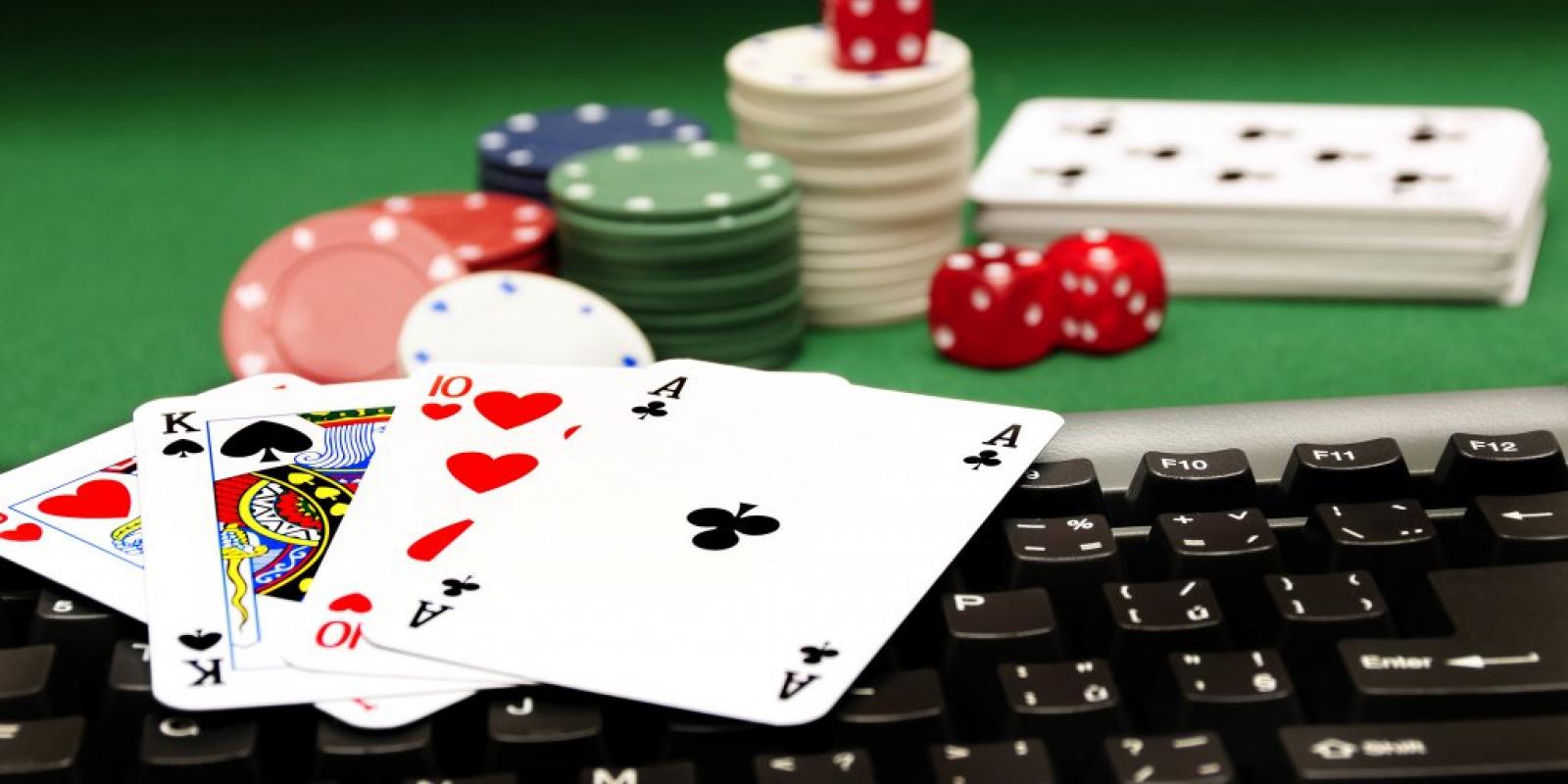
In addition to peer influence, group psychology can impact betting behaviors. Players may feel a sense of obligation to continue playing or risk being seen as disengaged or less committed during group outings. This pressure can lead to escalating bets or risky decisions based on social expectations rather than careful consideration of the odds. As such, the casino becomes an arena where social norms shape individual behavior, often resulting in situations that players later reflect on as uncharacteristic.
Furthermore, the rise of online casinos has transformed the social aspect of gambling. While the physical interaction may be absent, virtual communities have emerged, allowing players to connect and share their experiences online. These platforms utilize chat functions and social media to foster engagement and create a sense of belonging. This evolution maintains the psychological allure of casino games, as players continue to seek out community and validation in their gaming experiences, regardless of the format.
Understanding Casino Psychology on Our Website
Our website is dedicated to exploring the multifaceted psychology behind casino games, providing insights into why players feel compelled to engage in gambling activities. We aim to educate our readers about the subtle psychological triggers that draw individuals to casinos, whether physical or online. By examining the underlying motivations behind gambling behavior, we hope to foster healthier gaming habits and deeper awareness of the influences at play.
Moreover, we offer a wealth of resources, ranging from articles and research studies to expert opinions, all designed to enrich your understanding of casino psychology. Our goal is to create an informed community that can engage with gambling in a mindful and responsible manner. Together, we can unpack the complexities of why casino games are so captivating and how to navigate this environment with a critical eye.
Join us on our journey to explore the psychology of casino games on our website. By arming yourself with knowledge and insights, you can make more informed choices and understand the forces that drive the gaming experience. We invite you to delve deeper and engage with our content to enhance your awareness of this fascinating subject.